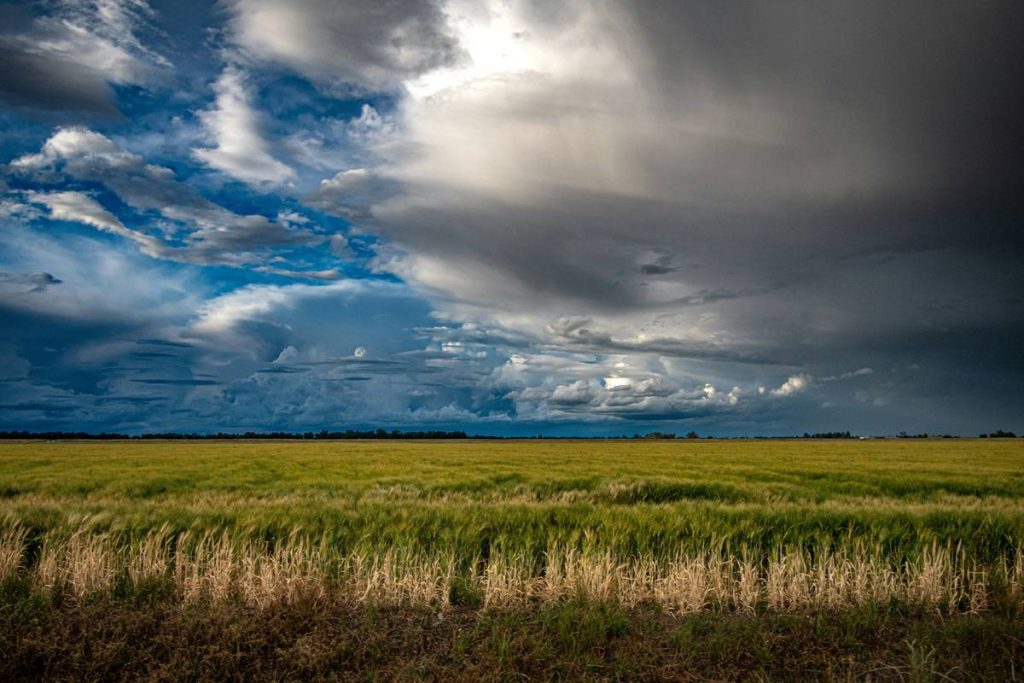
Your fields look perfect—lush, green, ready for harvest. Then, without warning, dime-sized ice pelts your crops like shrapnel. In 12 minutes, months of work vanish. And your standard multi-peril crop insurance? It barely covers a fraction. Here’s the fix: a targeted hail crop safety policy. Not bundled. Not diluted. Built solely for this chaotic, high-impact risk.
Why Traditional Crop Insurance Fails Against Hail
Multi-peril policies bundle drought, flood, pests—and hail—into one premium. Sounds efficient. It’s not. These policies trigger only after you hit county-wide yield thresholds. But hail doesn’t care about county lines—it strikes your 40 acres while sparing your neighbor’s. You could lose 90% of your crop and still get denied because “the region” didn’t suffer enough damage.
And claims? Buried under layers of agronomic reviews, satellite data disputes, and adjuster delays. By the time you get paid—if you do—planting season’s over. A standalone hail crop safety policy skips all that noise. It pays based on your field’s actual loss, verified fast, often within 72 hours.
How to Secure & Use a Hail Crop Safety Policy
Most farmers wait until storm season looms. Bad move. The best rates lock in at planting. Here’s how to do it right:
Step 1: Ditch County-Level Coverage
Demand field-specific coverage. Insurers like Rural Community Insurance Services (RCIS) or ProAg offer GPS-mapped plots. Your policy follows your land—not bureaucratic boundaries.
Step 2: Match Coverage to Crop Value—Not Yield
Hail damage isn’t about bushels lost—it’s about market value destroyed. High-value crops like hemp, specialty corn, or organic vegetables need dollar-based coverage tiers, not generic yield units.
Step 3: Understand Your Deductible Structure
Many policies use “percent of expected value” deductibles. A 5% deductible on a $500/acre crop = $25/acre out-of-pocket before payout. But some insurers hide “per occurrence” caps that slash real-world recovery. Read the fine print—or better yet, ask for a side-by-side comparison.

| Coverage Type | Premium Cost (Per Acre) | Payout Speed | Field-Specific? | Best For |
|---|---|---|---|---|
| Standard Multi-Peril Crop Insurance (MPCI) | $8–$15 | 60–90 days | No | Broad risk diversification; not hail-focused |
| Standalone Hail Crop Safety Policy | $18–$35 | 3–7 days | Yes | High-value crops in hail-prone zones (e.g., Great Plains) |
| Private Supplemental Hail Endorsement | $12–$22 | 10–14 days | Sometimes | Farmers already enrolled in MPCI seeking gap coverage |

The Industry Secret: Insurers Profit When You Underinsure
Here’s what no agent tells you: hail policies are priced using 10-year historical strike maps. But climate volatility has made those obsolete. Regions like eastern Colorado or western Kansas now see 2–3 major hail events per season—double the old models. Yet premiums haven’t adjusted upward proportionally. Why? Because carriers bank on farmers underestimating true risk.
One Midwest adjuster admitted privately: “If you quote full replacement value, the farmer balks. So we suggest 70%. They think they’re saving money. We know they’ll never recover fully—but they blame the weather, not us.” Don’t fall for it. Insure to 100% of projected market value. The extra $5/acre could mean the difference between replanting and bankruptcy.
Frequently Asked Questions
Does a hail crop safety policy cover prevented planting?
No. It only covers damage to crops already in the ground. Prevented planting falls under federal MPCI programs.
Can I buy hail coverage mid-season?
Yes—but expect higher premiums and limited availability after May 15 in most states. Early purchase locks in better terms.
Are greenhouses or high tunnels covered?
Typically no. Standard hail crop safety policies apply to open-field agriculture. Specialized structures require separate endorsements.