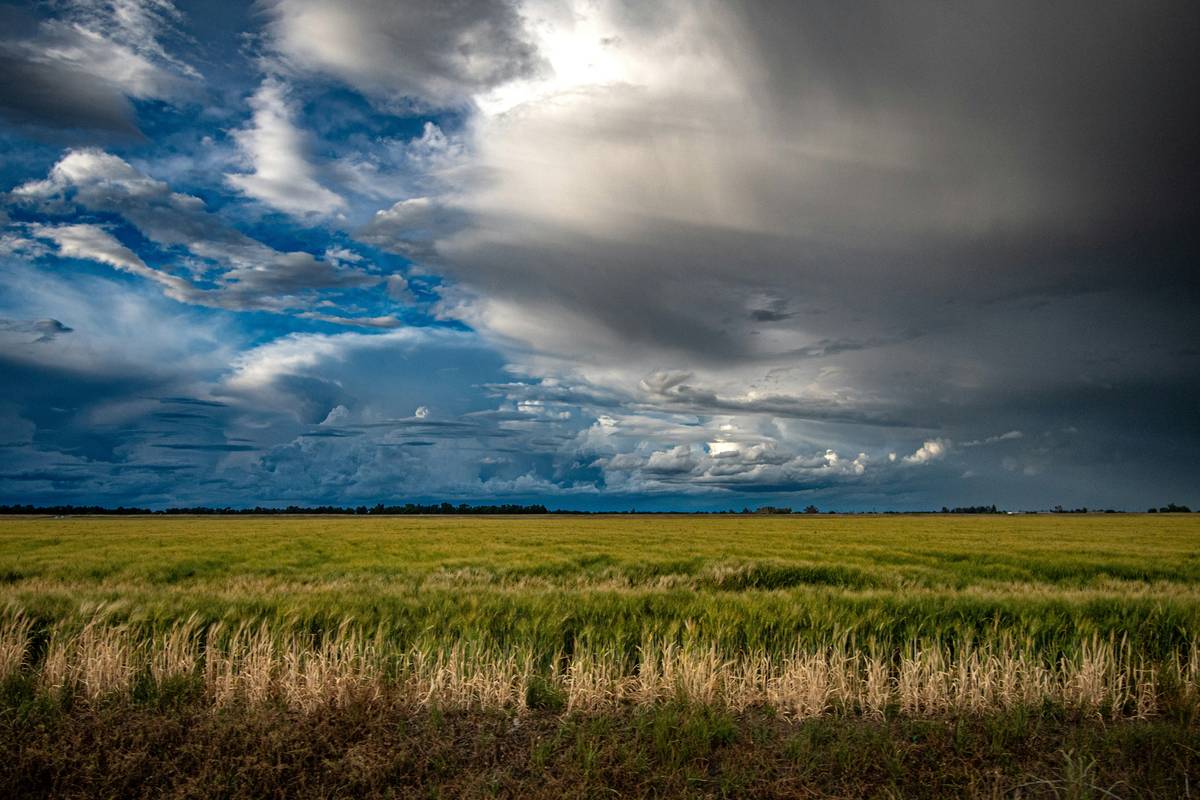
Farmers wake up to shattered fields after a single 10-minute hailstorm—losses totaling six figures, wiped out in minutes. Traditional insurance lags, payouts stall, and “acts of God” become excuses on paper. But what if you had hail crop defense coverage that triggers fast, pays fairly, and actually understands agrarian risk?
Why Standard Crop Insurance Fails When Hail Strikes
Most multi-peril crop insurance bundles hail damage into vague “weather events”—but hail isn’t like drought or flood. It’s hyper-local, sudden, and brutal. One field can be obliterated while the neighbor’s stands untouched. Yet standard policies often require county-wide yield loss thresholds before releasing funds.
And adjusters? They arrive weeks later, long after evidence has melted—or been plowed under. You’re left arguing over photos and memory. Not ideal when your seed-to-harvest window is already razor-thin.
How to Secure Real Hail Crop Defense Coverage: A Field-Tested Blueprint
Step 1: Ditch Bundled Policies
Isolate hail coverage. Standalone hail crop defense coverage skips the bureaucratic maze of multi-peril claims. Specialized insurers use real-time radar data and drone imagery—no waiting for USDA reports.
Step 2: Document Relentlessly
Set up time-stamped cameras facing your fields. Post-hail, capture ground-level shots within 24 hours. Insurers using AI verification (yes, some do) cross-reference this with NOAA storm tracks. Proof = speed.
Step 3: Understand Deductibles vs. Triggers
Traditional plans use % deductibles based on expected yield. Modern hail-specific policies offer parametric triggers—e.g., “if hailstones exceed 1 inch diameter within 500 meters of your GPS pin, payout activates.” No adjuster needed.
| Coverage Type | Avg. Payout Time | Deductible Structure | Hail-Specific? |
|---|---|---|---|
| Multi-Peril Crop Insurance (MPCI) | 45–90 days | 10–20% of projected yield value | No |
| Standalone Hail Policy | 7–14 days | Fixed $/acre or parametric trigger | Yes |
| Private Parametric Hail Plan | 48–72 hours | None—trigger-based only | Yes |

The Industry Secret: Insurers Profit More When You Skip the Claim
Here’s an uncomfortable truth: many regional hail insurers quietly hope you won’t file. Why? Because their pricing models assume 60–70% of eligible farmers never claim—either from paperwork fatigue or fear of premium hikes. So they underprice premiums slightly, banking on low utilization.
But if you do file—with clean documentation—they often pay out fast to avoid disputes. Smart operators at c7discount.com have seen clients recover 90% of losses within 10 days simply by submitting geo-tagged drone footage and matching it to NOAA’s hail archive. The system works—if you force it to.
FAQ: Quick Answers to Critical Questions
Does hail crop defense coverage cover replanting costs?
Yes—most standalone policies include replant allowances if damage exceeds 40%. Confirm this clause before signing.
Can I buy hail coverage mid-season?
Absolutely. Unlike MPCI, private hail policies are available up to 30 days before harvest. High-risk zones often see last-minute buyers after early-season storms.
Is hail crop defense coverage worth it for small farms?
Counterintuitively, yes. Small operations lack cash buffers. A $5,000 loss can be catastrophic. Premiums often start under $3/acre—cheaper than one load of emergency seed.