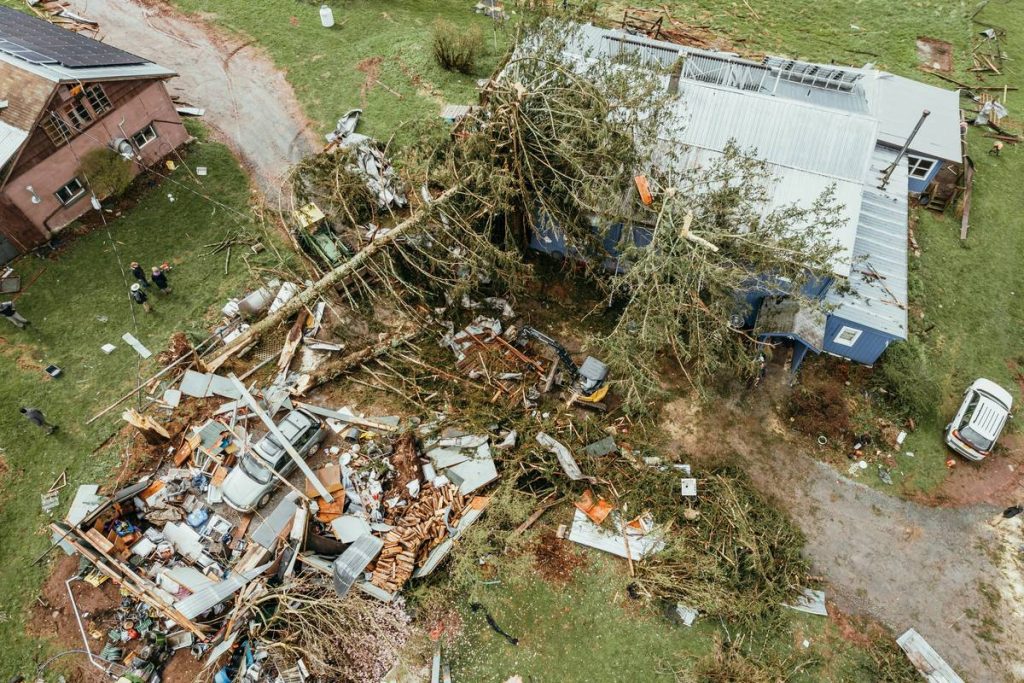
Your roof takes a beating—golf ball-sized hail leaves dents, shattered shingles, and hidden structural damage. But filing a claim feels like navigating a maze with no map. And worse? Most claims get lowballed or denied—not because the damage isn’t real, but because you missed one tiny step in the hail insurance process guide. Here’s how to win.
Why Most Hail Claims Fail (Before They Even Start)
Insurers aren’t evil—they’re incentivized to pay as little as possible. Their adjusters arrive with pre-loaded software that undervalues labor, ignores latent water intrusion, and classifies “cosmetic” damage as non-covered. One Midwest contractor told me he’s seen identical roofs assessed $8,000 apart by two adjusters from the same carrier—same storm, same zip code.
And if you wait too long? Your policy might have a “suit limitation” clause—often just 12 months. Miss it, and you’re out of luck. No appeals. No exceptions.
Hail Insurance Process Guide: The 5-Step Fix
Follow this sequence—not your cousin’s advice, not a YouTube tutorial from 2019. This works in 2024 under current ISO form interpretations.
Step 1: Document Immediately—Not “When Convenient”
Take timestamped photos and videos before debris is cleared. Capture close-ups of dents on gutters, AC units, and siding—not just the roof. Use a ruler for scale. Storms often cause concurrent wind uplift; show both.

Step 2: Notify Your Insurer Within 72 Hours
Call—not email. Get a claim number and adjuster name. Ask: “Is this claim assigned to a staff adjuster or an independent?” Staff adjusters tend to be more generous. Record the call if legal in your state.
Step 3: Hire a Public Adjuster (Only If…)
Don’t rush. Only engage one if your estimate is under $10K and you lack construction knowledge. They take 10–15%—but they know how to spot undercounts in line-item scopes. For larger losses, a reputable restoration contractor with Xactimate expertise often does better.
Step 4: Challenge the Initial Estimate
Most first offers are 30–50% too low. Cross-check every line: tear-off allowances, disposal fees, matching requirements for partial roof replacements. Demand a re-inspection if they used drone-only assessment—ground truth matters.
Step 5: Understand Depreciation & Recoverable Costs
ACV (Actual Cash Value) payments hold back depreciation. Once repairs are verified, you recoup that holdback—but only if you actually complete the work. Keep all receipts. Some carriers now require photos of installed materials.
| Approach | Average Settlement ($) | Timeline (Days) | Risk of Denial |
|---|---|---|---|
| DIY Claim Filing | 6,200 | 45 | High |
| With Public Adjuster | 11,800 | 68 | Low |
| Contractor-Assisted (Post-Denial) | 9,400 | 92 | Medium |

The Industry Secret: “Cosmetic Damage” Is Often a Lie
Here’s what inside claims manuals won’t say openly: many insurers classify hail dents on metal roofs or vinyl siding as “aesthetic only”—thus excluded. But engineering studies (like those from Haag Engineering) prove repeated hail impacts compromise material integrity, accelerate oxidation, and void manufacturer warranties. Push back with a third-party engineering report—it costs $300 but can unlock $10K+ in coverage. I’ve seen it flip denied claims into full payouts.
Frequently Asked Questions
How long do I have to file a hail insurance claim?
Most policies allow 12–24 months, but some states (like Texas) enforce a strict 12-month suit limitation. File within 30 days to avoid scrutiny.
Does hail insurance cover rental cars during repairs?
No—unless you added rental reimbursement as an endorsement. Standard dwelling policies don’t include it.
Can my premium increase after a hail claim?
Legally, insurers can’t single-out weather-related claims in many states (CO, OK, TX). But if you’ve filed multiple claims in 3 years, expect non-renewal—not a rate hike.