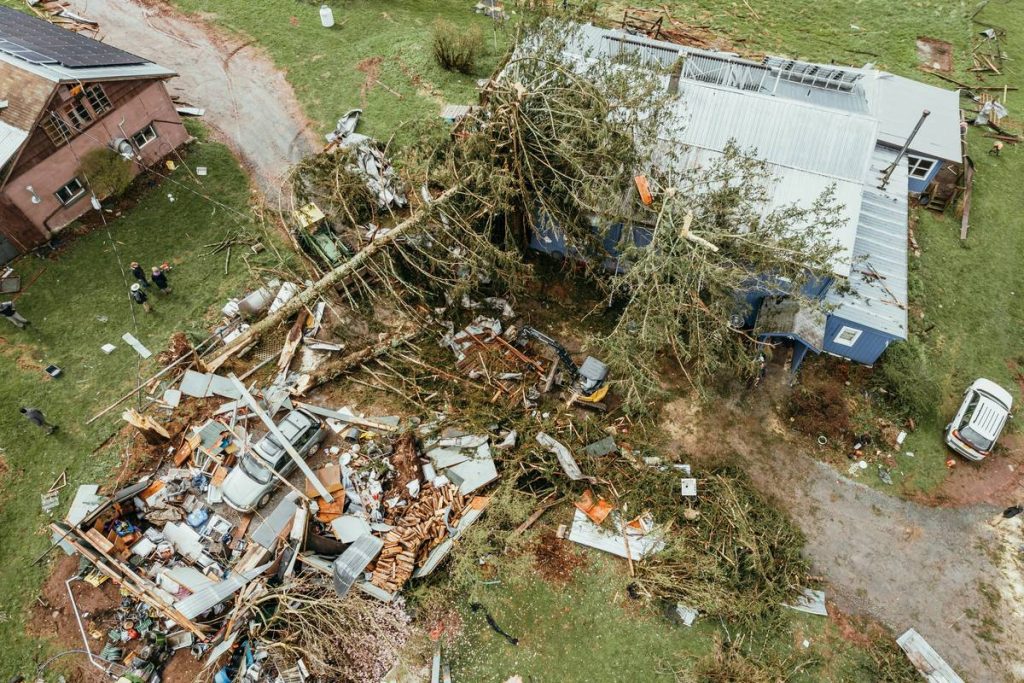
Your roof’s pockmarked. Windows are cracked. The storm passed hours ago—but your anxiety? Still raging. Insurance adjusters speak a different language, paperwork piles up, and delays drain your patience. You need clarity—not corporate jargon. This hail claim process guide skips the fluff and shows you exactly how to file fast, avoid common traps, and secure fair compensation.
Why Most Hail Claims Stall or Get Denied
Insurers don’t deny claims out of malice—they deny them because policyholders miss subtle but critical steps. And it starts with timing. Wait too long, and your damage gets lumped into “wear and tear.” Document poorly, and they’ll argue pre-existing conditions. Worst of all? Many homeowners rely on the insurer’s initial adjuster—someone paid by the company that profits when your payout is low.
Here’s the reality: hail damage often isn’t obvious immediately. Shingles lose granules; metal dents subtly. Without expert-level documentation within 72 hours, evidence fades. Rain washes away debris. Sun bakes compromised materials. By day four, your case weakens—fast.
The Step-by-Step Hail Claim Process Guide
Step 1: Document Damage Immediately
Grab your phone. Take wide-angle shots of the entire roof, then close-ups of every dent, crack, or missing shingle. Don’t forget gutters, siding, AC units, and vehicles. Video walkthroughs beat static photos—motion reveals depth distortion AI can’t fake.
Step 2: Review Your Policy—Not Their Summary
Open your actual declaration page. Look for “dwelling coverage,” “replacement cost value” (RCV), and “actual cash value” (ACV). RCV pays to replace; ACV deducts depreciation. If you’re stuck with ACV, you’ll get pennies on the dollar for a 10-year-old roof—even if hail destroyed it yesterday.
Step 3: File the Claim Strategically
Call your carrier—but also submit online for a timestamped paper trail. Mention “hail impact damage” not just “storm damage.” The latter invites ambiguity; the former triggers specific assessment protocols under most policies.
Step 4: Hire Your Own Adjuster (If Needed)
If the estimate feels low or repairs exceed $10K, consider a public adjuster. They work for you—not the insurer—and typically charge 10–15% of the final settlement. Often, that fee pays for itself in recovered value.

| Action | Do It Yourself | Hire a Public Adjuster |
|---|---|---|
| Initial Documentation | Free (your time only) | $0 upfront—fee-based on outcome |
| Average Settlement Speed | 4–8 weeks | 2–5 weeks |
| Typical Payout Difference | Baseline | 22–37% higher (industry data, 2023) |
| Best For | Minor damage (<$5K) | Complex claims, disputed assessments, high-value losses |

The Industry Secret No One Talks About
Insurance carriers use predictive software—like Xactimate—that assigns preset costs per repair task. But here’s the kicker: those databases are updated quarterly. If local material prices spiked after a regional hail swarm (and they always do), the software lags. You get quoted 2022 prices in a 2024 market.
And most adjusters won’t volunteer that gap. Counter it by getting three local contractor bids *before* the insurer’s estimate lands. Submit them with your claim. Suddenly, their “standard” number looks suspiciously low—and you’ve got leverage.
Frequently Asked Questions
How long do I have to file a hail claim?
Most policies allow 12–24 months, but waiting beyond 60 days risks denied claims due to “failure to mitigate” or obscured evidence. File within 72 hours if possible.
Will filing a hail claim raise my premium?
Not necessarily. Hail is an “act of nature”—not negligence. Many states prohibit rate hikes for weather-related claims. Check your state DOI rules first.
Can I keep leftover insurance money after repairs?
Only if you own your home outright and your policy pays replacement cost. If you have a mortgage, funds go through escrow, and unused amounts typically revert to the lender.