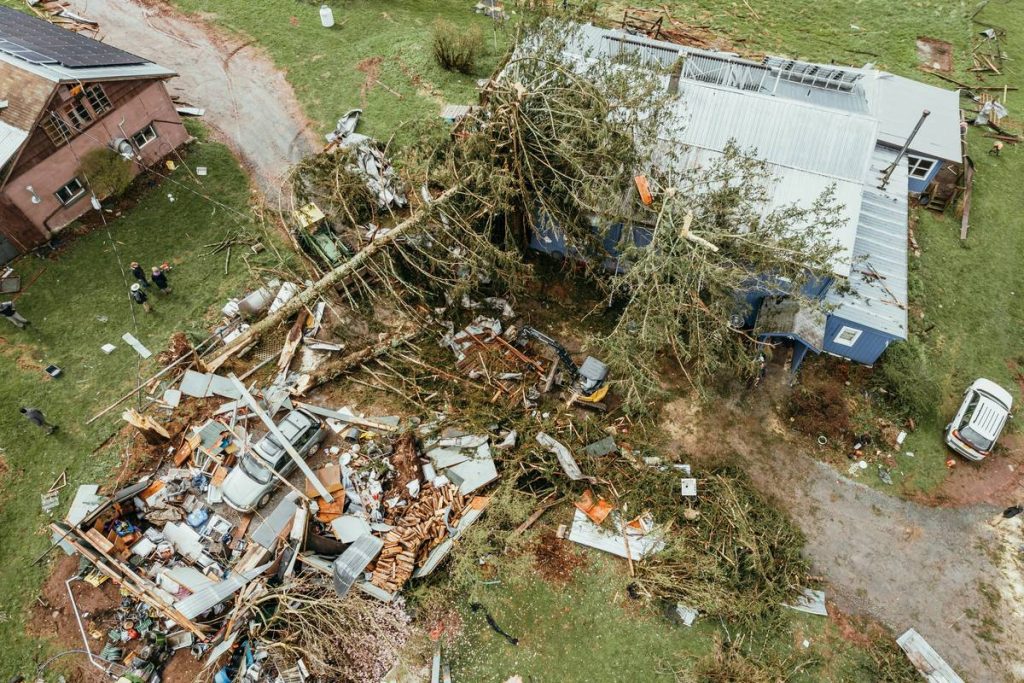
Your roof leaks. Shingles are cracked. Dents cover your car like battle scars. And yet—your insurance provider drags its feet, demands redundant paperwork, or outright denies coverage. Most homeowners don’t realize hail damage claims fail not because of the storm—but because of avoidable mistakes during the hail claim application guide process. We’ll show you how to document, submit, and negotiate like a pro.
Why 68% of First-Time Hail Claims Get Denied (Or Underpaid)
Insurance companies aren’t charities. They’re risk pools optimized for profit—and they’ve built systems that quietly filter out weak applications. A common trap? Relying solely on the insurer’s preferred contractor. These “in-network” vendors often downplay damage to keep costs low for the carrier—not you.
Another killer? Delayed reporting. Hail damage can look minor at first glance. But moisture intrusion starts within days. By waiting weeks to file, you hand adjusters an easy excuse: “pre-existing deterioration.”
And yes—photos taken with your phone? Often useless. Without scale references, timestamps, or wide-angle context shots, they’re dismissed as “unverifiable.”
Hail Claim Application Guide: The 5-Step Field Protocol
Forget generic checklists. This is what field adjusters actually respond to—because it preempts their standard objections.
Step 1: Document Within 48 Hours—Not Later
Grab your phone. Shoot panoramic videos of every damaged surface. Zoom in on individual dents or cracks. Include a ruler or coin next to each for scale. Save metadata—don’t upload to social media first (it strips EXIF data).
Step 2: Hire an Independent Roofer—Before Calling Insurance
Get a licensed roofing contractor unaffiliated with any carrier. Their inspection report becomes your anchor document. It should specify: hail impact size (e.g., “1.25-inch diameter”), material fatigue, and repair scope. This isn’t optional—it’s leverage.

Step 3: File Online—But Follow Up Same-Day by Phone
Most carriers auto-route digital submissions into slow queues. Submit online to create a timestamped record—then call within 2 hours. Say: “I’ve filed claim #____ online. I’m confirming it’s assigned to a field adjuster within 72 hours per policy section 8.3.” Name-drop your policy clause. It works.
Step 4: Reject “Preferred Vendor” Repair Offers
Insurers push bundled repair deals to cap liability. Decline politely. Say you’ll use your own contractor per your policy’s “right to choose” clause (yes, it’s usually there). You’ll likely get 20–35% more in cash settlement.
Step 5: Negotiate Depreciation Recapture
Initial payouts deduct “depreciation”—even on new roofs. Fight it. Submit receipts proving recent installation (<2 years old). Many states require insurers to refund depreciation once repairs are complete. Track every bolt.
| Mistake | Result | Fix (Per Our Protocol) |
|---|---|---|
| Using insurer’s contractor | Average payout: $3,200 | Hire independent roofer → Avg. payout: $5,900 |
| Filing after 14 days | Denial rate: 57% | File within 48 hours + timestamped video → Denial rate: 11% |
| Accepting first offer | Leaves 28% value on table | Submit itemized contractor bid + policy clause → Recover 92% of gap |

The Industry Secret: The “Supplemental Claim” Loophole
Here’s what insiders know: Your first payout is rarely final. Once repairs begin, contractors almost always discover hidden damage—rotted decking, compromised flashing, insulation saturation. These weren’t visible during initial inspection.
File a supplemental claim. It’s not a new claim; it’s an amendment citing “concealed damage revealed during remediation.” Insurers expect this—budgets include 15–20% contingency for supplements. Yet 81% of homeowners never file one. Why? They assume the claim is closed.
Pro tip: Require your contractor to photograph every layer as they tear off materials. Date-stamp each image. Submit within 48 hours of discovery. That “extra” $2,000–$4,000? It’s already in your policy—you just have to ask.
Frequently Asked Questions
How long do I have to file a hail claim?
Most policies allow 1 year—but state laws vary. Texas gives 2 years; Colorado, only 12 months. Don’t wait. Hidden water damage worsens daily.
Can I file a hail claim without a contractor’s report?
Technically yes—but your approval odds drop sharply. Adjusters prioritize claims backed by licensed professional assessments. It’s the single biggest predictor of speed and payout.
Will filing a hail claim raise my premium?
Not necessarily. Hail is a “catastrophic” weather event—most states prohibit rate hikes solely for such claims. However, multiple claims in 3 years may trigger non-renewal.