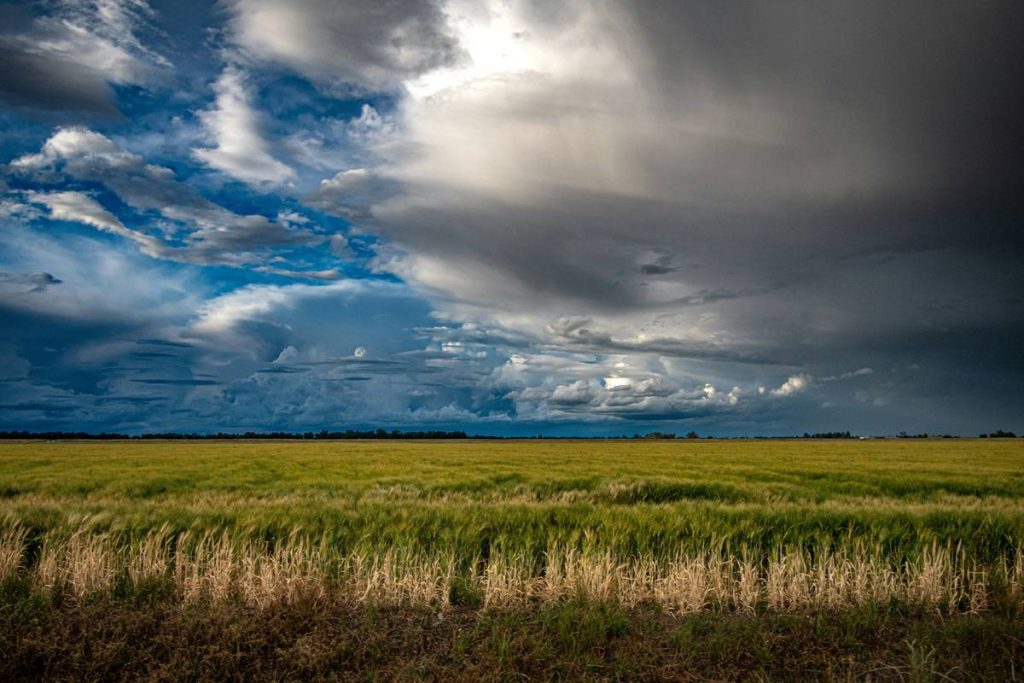
Farmers lose millions every year—not to drought or pests—but to sudden, violent hailstorms that flatten fields in minutes. Insurance feels like a safety net until you realize most standard policies exclude hail damage entirely. A crop hail protection policy isn’t optional paperwork. It’s your financial armor against nature’s most unpredictable tantrums.
Why Traditional Crop Insurance Falls Short Against Hail
MPCI (Multi-Peril Crop Insurance) covers broad risks—but with caveats. Hail? Often excluded unless you pay extra riders. And even then, indemnity is based on county-wide yield averages, not your actual losses. If your neighbor’s field escapes unscathed but yours is shredded by golf-ball-sized ice, MPCI may leave you holding nothing but mud and debt.
Here’s the reality: Hail doesn’t follow actuarial tables. It hits one square mile—and spares the next. You need hyper-localized, per-acre coverage. That’s where a dedicated crop hail protection policy shines.
How to Secure Real Protection: A Step-by-Step Guide
Assess Your Risk Zone First
Not all regions are equal. The “Hail Alley” stretching from Texas to Minnesota sees over 6 days of damaging hail annually. Use NOAA’s historical storm maps—not your gut—to decide if coverage is urgent or essential.
Pick Per-Acre Coverage Levels Wisely
Most insurers let you insure crops at 50% to 100% of expected value. Don’t max out just because you can. Calculate break-even points: What harvest price justifies full coverage? Over-insuring drains cash flow; under-insuring invites ruin.
Compare Deductibles Like a Pro
Some policies use % deductibles. Others use fixed-dollar thresholds. A 5% deductible on a $1,200/acre corn crop = $60 out of pocket before payout. But if your loss is only $40/acre? You get nada. Know which structure favors your operation.

| Coverage Type | Avg. Premium (per acre) | Typical Payout Trigger | Best For |
|---|---|---|---|
| Basic Hail-Only Policy | $8–$18 | 30%+ crop loss | Small to mid-size row-crop farms |
| Hail + Wind Rider | $14–$25 | 25%+ loss from hail or straight-line wind | Plains & Midwest growers |
| All-Risk Peril Bundle | $22–$40 | Any single-event loss ≥20% | High-value specialty crops (e.g., hops, organic veggies) |
File Claims Fast—Timing Is Everything
Adjusters swarm disaster zones. Delay by 48 hours, and your damage gets lumped into regional averages. Document immediately: timestamped photos, drone footage, and field logs. Most insurers require notice within 72 hours—or your claim evaporates.

The Industry Secret No Agent Will Tell You
Insurers quietly tier farmers by claim history—not just crop type. File two claims in five years? Your premium jumps 35–60%, even if losses were weather-driven, not operational. Here’s the workaround: bundle multiple years of coverage upfront. Some carriers offer “loyalty locks”—freeze rates if you prepay 2–3 seasons. It’s buried in fine print. Ask directly: “Do you offer multi-year rate guarantees?” Few do. Those that do? They’re your new best friends.
Frequently Asked Questions
Does crop hail protection policy cover greenhouses or high tunnels?
Rarely. Most policies cover open-field crops only. Structural damage to greenhouses falls under commercial property insurance—separate application needed.
Can I buy coverage after planting season starts?
Yes—but with limitations. Many insurers stop issuing policies once crops reach reproductive stages (e.g., corn tasseling). Apply early; late entries often cost 20% more with reduced coverage ceilings.
Are prevented planting claims covered under hail insurance?
No. Prevented planting is an MPCI concept. Hail policies pay only for physical damage to already-emerged plants. No crop standing? No payout.