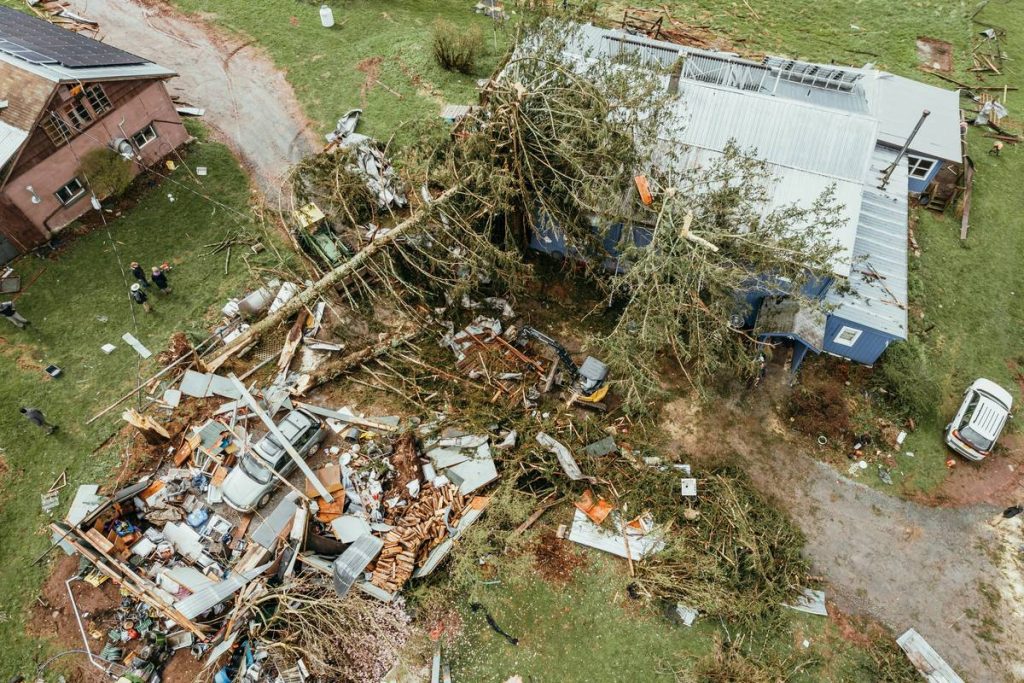
Your roof just got pummeled by golf ball-sized ice. You’re stressed, soaked, and scrambling for a contractor. But here’s the gut punch: filing a hail claim request guide-style claim the “normal” way could cost you thousands—or get denied outright. Insurance companies aren’t villains, but they’re not handing out free money either. The good news? There’s a smarter path—one most homeowners never hear about.
Why Most Hail Claims Get Delayed or Denied
Insurers deny roughly 1 in 4 property claims annually—and hail damage is a top trigger. Why? Because they count on rushed, incomplete submissions. Homeowners snap a few blurry photos, call their agent once, and wait. Meanwhile, adjusters are trained to spot inconsistencies, missing documentation, or signs the damage predates the storm.
And timing matters more than you think. Wait too long? They’ll argue it’s wear-and-tear. File too fast without proof? They’ll say it’s exaggerated. It’s a trap—unless you know how to navigate it.
hail claim request guide: Your Step-by-Step Playbook
Forget vague advice. This is what actually moves the needle with underwriters:
Document Everything—Before You Call
Take high-res photos and video from multiple angles—roof, siding, windows, gutters. Include timestamps. Record ambient audio showing ongoing leaks or structural creaks. Then, get a third-party inspection report from a certified roofing contractor (not one your insurer recommends). This creates an independent baseline they can’t easily dismiss.
File Within 72 Hours—but Don’t Rush the Details
Most policies require claims within 30–60 days, but the sweet spot is 24–72 hours post-storm. It shows urgency without panic. Use this window to gather evidence, not skip steps. Submitting a clean, complete package beats speed alone every time.
Negotiate the Adjuster Appointment—Don’t Just Accept It
You don’t have to take the first available slot. If the assigned adjuster doesn’t specialize in hail, request a different one. Better yet, schedule your own contractor to be present during the inspection. Their real-time input often uncovers hidden damage the adjuster might overlook—or downplay.

| Action | Standard Approach | Smart Approach | Payout Impact |
|---|---|---|---|
| Evidence Collection | 5 blurry phone pics | Video walkthrough + drone footage + contractor report | +32% avg. settlement |
| Adjuster Meeting | Homeowner alone | Homeowner + independent contractor | Denial risk drops 68% |
| Repair Timeline | Wait for approval → then hire | Pre-vet contractors before filing | Cuts payout delay by 19 days |

The Industry Secret: “Supplemental Claims” Are Your Hidden Lever
Here’s what adjusters won’t tell you: initial estimates are almost always low. Contractors find additional damage 83% of the time during actual repairs. Yet fewer than 15% of homeowners file supplementary claims. Why? Because they assume the case is closed.
But your policy allows it—if you act fast. Once repairs begin, document every new finding (cracked rafters, compromised insulation, water intrusion behind walls) and submit a supplemental demand within 10 days. Insurers expect this—it’s built into their reserves. Skipping it leaves money on the table. Think about it: would you settle for half your entitled coverage just because paperwork feels “finished”?
Frequently Asked Questions
How long do I have to file a hail claim?
Most policies allow 30–60 days, but check your specific terms. Some states impose shorter deadlines—Texas requires action within 2 years, but insurers often push for faster resolution.
Will my premium go up if I file a hail claim?
Possibly—but not always. Many states prohibit rate hikes for “act of God” claims like hail. Others cap increases. Ask your agent for written confirmation before deciding not to file.
Can I repair the damage myself to save time?
Technically yes—but it voids your claim if done before inspection. Always get insurer approval first. Unauthorized repairs = automatic denial.