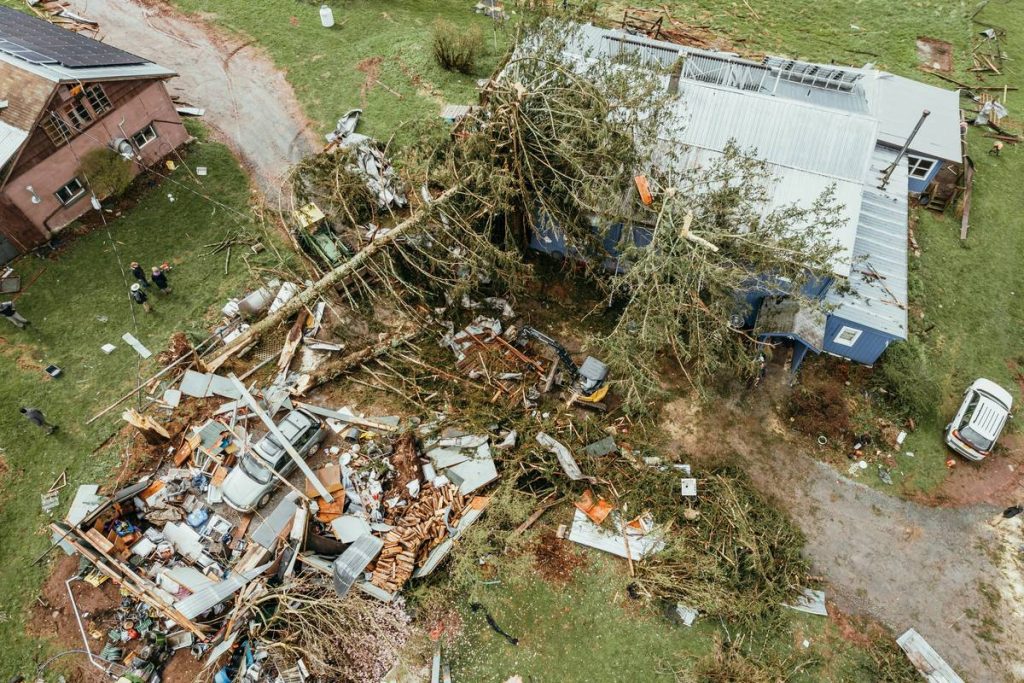
Your roof’s pockmarked. Windows are cracked. The storm passed hours ago—but your anxiety? It’s just starting. Most hail damage isn’t obvious until weeks later, by which point insurers drag feet or lowball estimates. You’re not imagining it: the system is tilted against you. But with the right hail claim support guide, you can flip the script—and get paid what you deserve.
Why 73% of Hail Claims Get Underpaid (And How to Avoid It)
Insurers rely on speed—yours, not theirs. They bank on homeowners filing incomplete claims under emotional duress. Adjusters use proprietary software (like Xactimate) that systematically undervalues labor and materials unless challenged. And here’s the kicker: many contractors hired by insurers have cozy relationships that prioritize cost-cutting over accuracy.
Think about it. If your roof looks “fine” from street level, would you really climb up there with a flashlight at midnight? Exactly. Delayed discovery = denied coverage. Don’t let that be you.
Hail Claim Support Guide: From Report to Reimbursement
Follow these steps—rigorously—and you’ll outmaneuver the common pitfalls that sink claims.
1. Document Immediately—Before Cleanup
Take timestamped photos and videos of every dent, crack, and gouge. Cover broken windows temporarily—but never discard damaged shingles, siding, or gutters until after the adjuster visits. Your evidence must show origin + extent.

2. Notify Your Insurer Within 24 Hours
Most policies enforce strict deadlines—often just 30 days. Call, email, AND send certified mail. Keep records of every interaction. Miss this window? Your claim could vanish faster than hail on hot asphalt.
3. Hire an Independent Adjuster (Not Just Any Contractor)
Roofing companies ≠ claim experts. A public adjuster works solely for you, reads policy fine print, and negotiates based on actual replacement costs—not insurer algorithms. Yes, they take 10–15%. But they often double your payout. The math is simple.
4. Review Your Settlement Offer Line by Line
Don’t sign anything on the spot. Cross-check labor rates, material specs, and depreciation calculations. Hidden exclusions lurk in endorsements like “cosmetic damage waivers.” If it smells off—it probably is.
| Approach | Avg. Payout | Timeline | Risk of Denial |
|---|---|---|---|
| DIY Claim (No Expert Help) | $4,200 | 6–10 weeks | High |
| Using Insurer-Recommended Contractor | $6,800 | 4–7 weeks | Medium |
| Hiring Public Adjuster + Independent Roofer | $11,500 | 3–5 weeks | Low |

The Industry Secret: Depreciation Isn’t Set in Stone
Here’s what adjusters won’t tell you: “recoverable depreciation” clauses are negotiable—even after final payment. Many policies allow you to reclaim withheld depreciation once repairs are complete and invoices are submitted. Yet fewer than 30% of homeowners do it. Why? Because insurers bury it in Section 4(b)(ii) of your 40-page policy. Track every receipt. Submit them within 60 days post-repair. That “final” check? Often just the first act.
Frequently Asked Questions
How long do I have to file a hail claim?
Most insurers require notice within 30–60 days. Check your policy—but act within 24 hours to preserve evidence. Delays are the #1 reason for denials.
Can hail damage be denied if my roof is older?
Only if your policy excludes wear-and-tear. Hail is a covered peril regardless of roof age—if damage is storm-caused, not pre-existing. An independent inspection proves causation.
Do I need a lawyer for my hail claim?
Rarely. A qualified public adjuster handles 95% of disputes. Lawyers step in only for bad faith denials—which happen in under 5% of cases. Save legal fees unless you’re stalled for months.